
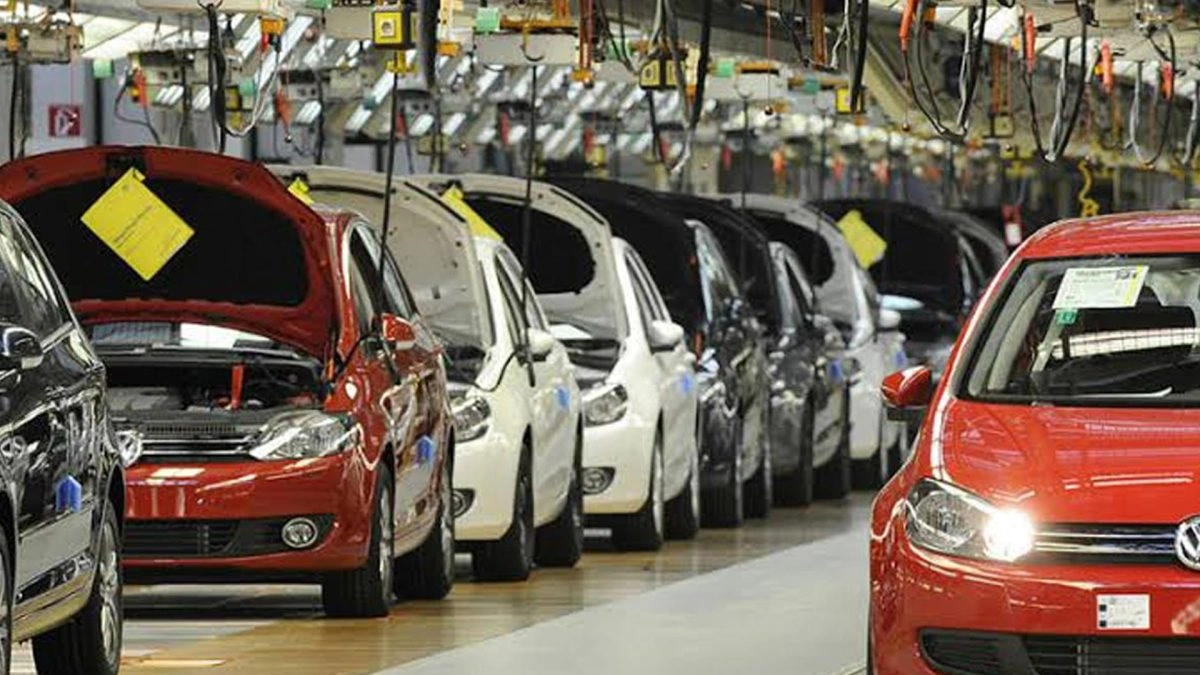
The winds of change are blowing, folks! And they’re carrying something pretty significant for the India car production landscape: a shift. Not just any shift, but a tectonic one as major players like Toyota and Honda are actively moving chunks of their car production from China to India. What’s fueling this? Why now? And what does it all mean for you, me, and the future of driving in India? Let’s dive in, shall we?
Why India? The Underlying Reasons for the Shift
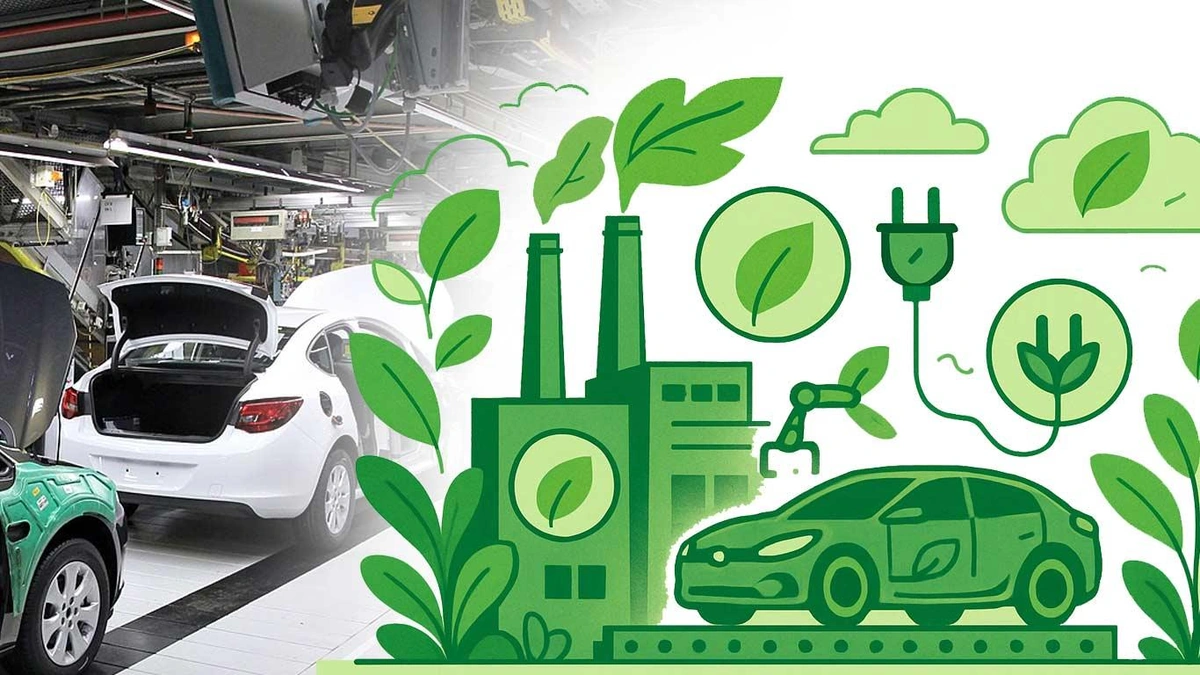
Here’s the thing: this isn’t just about cutting costs – although, let’s be honest, that’s always a factor. It’s a cocktail of reasons, a perfect storm, if you will. First, and perhaps most obviously, is the burgeoning Indian market. The demand for cars is exploding, and companies want to be closer to where the action is. We are talking about automobile manufacturing in India. Forget shipping costs and import duties; manufacturing locally allows them to be more competitive and responsive to local tastes. India’s strategic importance is also a major factor.
Then there’s the geopolitical angle. Trade tensions between China and other major economies have been simmering for years, and companies are looking to diversify their supply chains to mitigate risk. India, with its stable (relatively speaking!) political environment and improving infrastructure, presents a viable alternative. Moreover, the Indian government is actively courting foreign investment with incentives and policies designed to boost domestic manufacturing. Initiatives like “Make in India” are bearing fruit, making it easier and more attractive for companies to set up shop here. Plus, let’s not underestimate the power of a skilled and relatively affordable workforce. India has a vast pool of engineers, technicians, and factory workers eager to contribute to the automotive sector.
The “How” | Honda and Toyota’s Game Plan
So, how exactly are Honda and Toyota going about this shift? Well, it’s not an overnight process. It involves a multi-pronged approach including expanding existing facilities, establishing new manufacturing plants, and forging partnerships with local suppliers. For example, Honda might be focusing on ramping up production at its existing plant in Rajasthan, while Toyota could be exploring opportunities to set up a new facility in Karnataka or Tamil Nadu.
A crucial part of this strategy is localization. Companies are increasingly looking to source components and materials locally, reducing their reliance on imports and further boosting the Indian economy. This, in turn, creates opportunities for Indian auto component manufacturers to grow and expand their businesses. Another key aspect is technology transfer. As foreign companies invest in India, they bring with them advanced manufacturing techniques and technologies, which can help to modernize the Indian automotive industry and improve its competitiveness. To read more about car reviews, check out BMW 3 Series Touring Review .
The Impact | What It Means for You and the Indian Economy
Okay, so big companies are moving stuff around – who cares? Well, you should! This shift has some pretty significant implications for the Indian economy and for you as a consumer. First, it means more jobs. As manufacturing activity increases, so does the demand for labor, creating opportunities for engineers, technicians, factory workers, and even white-collar professionals. More jobs mean more disposable income, which in turn fuels further economic growth. Increased car production will contribute to GDP growth.
Secondly, it means potentially lower car prices. By manufacturing locally, companies can reduce their costs and pass those savings on to consumers. This could make cars more affordable for a wider range of people, driving up demand even further. And thirdly, it means more choice. As more companies invest in India, they’re likely to bring with them a wider range of models and technologies, giving consumers more options to choose from. The shift in production could also lead to more innovation in the Indian automotive industry. As companies compete for market share, they’ll be forced to develop new and improved products, benefiting consumers in the long run. This all points to a brighter future for the Indian automotive industry .
Challenges Ahead | Navigating the Roadblocks
Of course, it’s not all sunshine and rainbows. There are challenges that need to be addressed to ensure the success of this shift. Infrastructure is still a major bottleneck. India needs to invest heavily in improving its roads, ports, and railways to facilitate the movement of goods and materials. Bureaucracy can also be a headache. Streamlining regulatory processes and reducing red tape is essential to attract more foreign investment. Another challenge is skill development. While India has a large workforce, not all of them have the skills required for advanced manufacturing. Investing in vocational training and technical education is crucial to ensure that the workforce is equipped to meet the demands of the automotive industry. Check out Tata Nano Returns .
The Future | India as a Global Automotive Hub
So, what’s the long-term vision? The goal is to transform India into a global automotive hub, a place where cars are not only manufactured but also designed and engineered. This requires a concerted effort from government, industry, and academia to foster innovation, promote research and development, and create a supportive ecosystem for automotive companies. For more information on automotive trends , you can visit Wikipedia .
What fascinates me is the potential for India to leapfrog ahead in areas like electric vehicles (EVs) and autonomous driving. With its vast pool of talent and its growing tech industry, India has the potential to become a leader in these cutting-edge technologies. The convergence of car manufacturing in India and technology could create exciting new opportunities and transform the way we drive. There will be major changes in the global car market .
FAQ
Will this shift lead to cheaper cars in India?
Potentially, yes. Local manufacturing reduces import duties and transportation costs, which could translate to lower prices for consumers. However, other factors like raw material costs and exchange rates also play a role.
What kind of jobs will be created?
A variety of jobs, from factory workers and technicians to engineers, designers, and managers. The shift will also create indirect jobs in related industries like logistics, supply chain management, and automotive services.
Is this a good thing for the Indian economy?
Absolutely. It attracts foreign investment, creates jobs, boosts manufacturing activity, and promotes technological innovation.
Are other companies also considering moving production to India?
Yes, several other global automakers are exploring or have already announced plans to increase their presence in India. The country is becoming an increasingly attractive destination for automotive investment.
How long will it take for this shift to fully materialize?
It’s a gradual process that will likely take several years. Companies need time to set up new facilities, establish supply chains, and train their workforce.
Will this affect the quality of cars made in India?
Not necessarily. In fact, with advanced manufacturing techniques and technology transfer, the quality of cars made in India could actually improve over time.
So, there you have it. The winds are shifting, and India is poised to become a major player in the global automotive industry. Buckle up – it’s going to be an exciting ride!